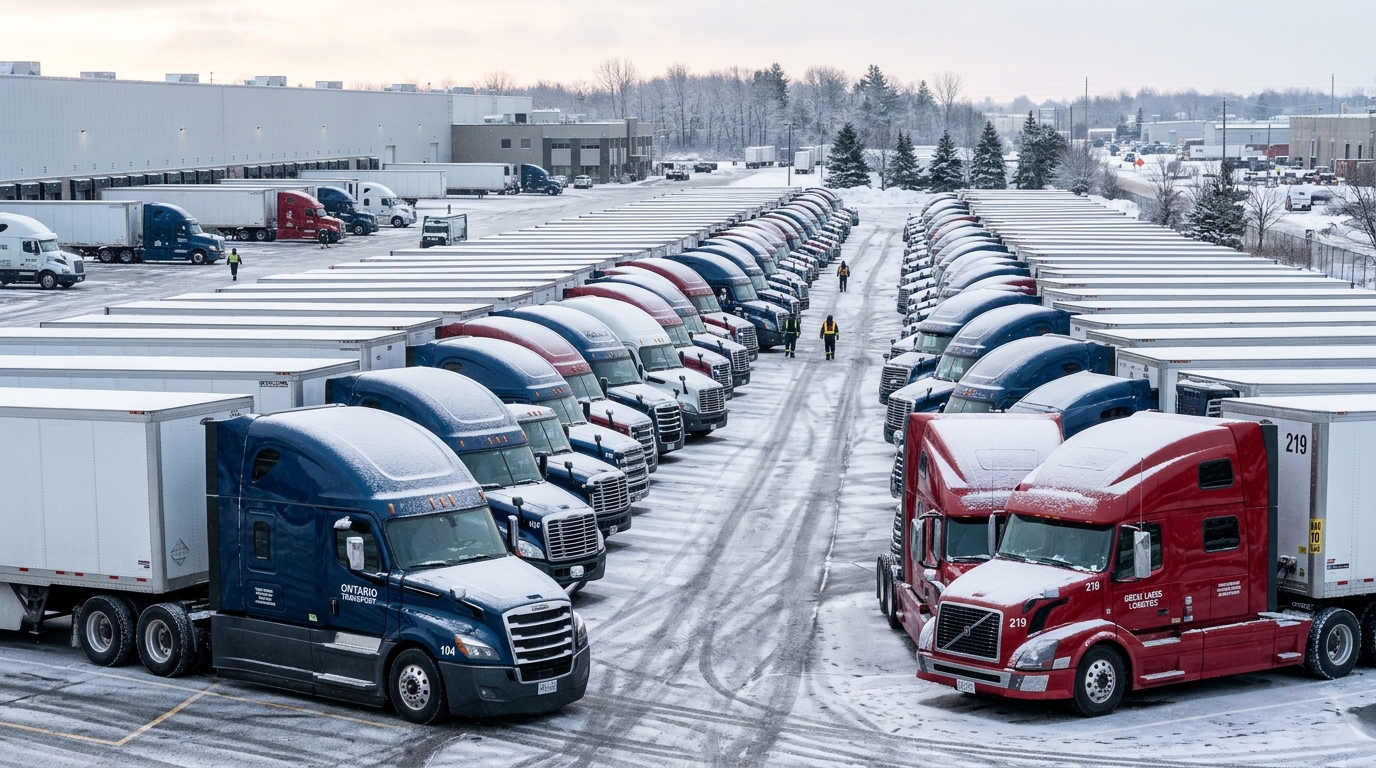
Operating commercial transport trucks, municipal vocational vehicles, and logistics fleets in Ontario requires contending with one of North America's most challenging operating environments. Between severe sub-zero winter temperatures reaching -25°C, intense freeze-thaw cycles, corrosive road salt, and relentless stop-and-go congestion along the Highway 401 corridor, exhaust aftertreatment systems are pushed to their physical and chemical limits.
Without a proactive maintenance strategy, Ontario fleets face recurrent roadside derates, skyrocketing fuel bills, and unbudgeted emergency repair expenses. Below, JTECH DPF outlines the essential aftertreatment maintenance protocols designed specifically for Ontario commercial operators.
1. Winter Idling Management and "Wet Stacking" Prevention
During Ontario winters, drivers frequently idle heavy-duty engines overnight for cab heating. However, prolonged low-idle operation at low ambient temperatures prevents combustion chambers from maintaining optimal operating temperatures (around 85°C coolant / 350°C exhaust).
Under these conditions, diesel fuel fails to combust completely, resulting in "wet stacking"—the accumulation of unburned liquid hydrocarbons and dense soot that coats exhaust valves, plugs DOC catalyst faces, and rapidly saturates the DPF honeycomb.
- Install Auxiliary Power Units (APUs): Utilize diesel-fired bunk heaters or electric APUs to heat the sleeper cab without idling the 15-litre primary engine.
- Utilize High-Idle Programs: When idling is unavoidable, program the ECM for automatic high-idle (1,000–1,100 RPM) to sustain sufficient combustion temperatures and minimize carbon deposition.
2. Strict Compliance With API CK-4 Low-Ash Engine Oils
As detailed in our DPF chemistry guide, incombustible ash originates from metallic anti-wear additives in engine lubricating oil. Traditional heavy-duty engine oils (such as older CI-4 specifications) contained high sulfated ash levels exceeding 1.5% by weight.
Commercial fleets in Ontario must strictly mandate API CK-4 (or FA-4) low-ash engine oils, which cap sulfated ash content at a maximum of 1.0%. Switching to approved low-ash synthetic formulations reduces ash accumulation rates by up to 30%, significantly extending interval mileage between required workshop pneumatic cleanings.
3. Winter DEF System Maintenance and Freeze Protection
Diesel Exhaust Fluid (DEF) is composed of 32.5% high-purity urea and 67.5% deionized water. Because of this formulation, DEF freezes solid at -11°C. Modern trucks incorporate electric or engine-coolant tank heating coils and heated delivery lines to thaw and circulate DEF during winter operation.
Ontario fleets should implement the following pre-winter DEF checks:
- Annual DEF Tank Filter Replacement: Replace the internal DEF pump pickup filter every autumn to eliminate crystallized urea and debris before sub-zero temperatures arrive.
- Verify DEF Heater Circuit Resistances: Use diagnostic multimeters to test heating element continuity on the tank head unit and pressure lines, preventing winter DEF pump freeze-up codes (SPN 3361 / FMI 5).
- Inspect DEF Quality with an Optical Refractometer: Verify urea concentration (32.5%). Contaminated or diluted DEF creates urea crystallization that chokes the SCR catalyst.
4. Proactive Mileage-Based DPF Cleaning Intervals
Waiting for a DPF dashboard warning light before booking service is a reactive strategy that guarantees unplanned downtime. Progressive Ontario fleet operations schedule preventive off-vehicle workshop cleaning based on duty cycle:
- Highway Linehaul Duty (Long Distance): Schedule off-vehicle pneumatic restoration every 350,000 to 450,000 kilometres (or 5,000 engine hours). Sustained highway speeds maximize passive regeneration, allowing longer intervals before ash accumulation becomes critical.
- Regional Delivery / Stop-and-Go / Vocational: Schedule off-vehicle cleaning every 200,000 to 250,000 kilometres (or 3,000 engine hours). Frequent low-speed stops and cold starts accelerate both soot deposition and oil consumption.
5. Monitoring Engine Thermostats and Operating Temperatures
A frequently overlooked cause of aftertreatment failure during Ontario winters is a lazy or stuck-open engine thermostat. Modern diesel ECMs require engine coolant to reach at least 77°C (170°F) before authorizing active DPF regenerations. If a worn thermostat allows winter radiator chill to keep coolant at 65°C, the truck will lock out active regens, leading to rapid soot clogging and emergency derate. Inspect coolant temperature gauges regularly during winter runs.
6. Establishing Commercial Fleet Service Accounts
Partnering with an emissions specialist like JTECH DPF allows fleet managers to streamline maintenance operations. Our commercial fleet maintenance programmes provide scheduled pick-up and drop-off, volume pricing discounts, consolidated invoicing, and rapid guaranteed turnaround to minimize bay downtime.
Frequently Asked Questions
How does road salt in Ontario impact aftertreatment systems?
Ontario road brine severely corrodes stainless steel temperature sensor bungs, differential pressure tubing, and electrical wiring harnesses mounted on the chassis. We recommend applying dielectric grease to aftertreatment connectors and inspecting sensor reference tubes for pinhole corrosion during annual safety inspections.
Can JTECH DPF handle entire fleet yard servicing on weekends?
Yes. Our mobile emissions technicians coordinate weekend yard visits across Kitchener, Cambridge, Waterloo, and Guelph to inspect telematics backpressure logs, run diagnostic health checks, and perform preventative mobile servicing while your trucks are off the road.
What happens if a driver uses out-of-spec engine oil?
High-ash oil rapidly doubles the rate of incombustible ash formation in the DPF channels, cutting the required service interval in half and increasing the risk of thermal runaway during active regenerations. Always verify CK-4 compliance.
Protect Your Commercial Fleet With JTECH DPF
Eliminate unexpected derates and maintain emissions compliance across your fleet. Contact Jasmeet at JTECH DPF in Kitchener to structure a tailored fleet maintenance contract.
Inquire About Fleet Programmes →